Multiplayer Games

About Multiplayer Games
Multiplayer Games are built to be shared. Whether you are steering one raft with three friends, splitting tasks on a doomed flight or racing another crew to the finish, the fun comes from other people. This category collects titles where teamwork, rivalry and a lot of shouting are part of the design.
Why Playing Together Feels Different
When other people are involved, every session becomes unpredictable. Computer opponents follow patterns, but friends improvise, make mistakes and surprise you. Multiplayer Games turn those moments into the main attraction. A failed jump becomes a shared joke, a perfect team move becomes a story you tell later, and even losing can be fun when everyone is laughing.
That social element also changes how difficulty feels in Multiplayer Games. A hard section is easier to face when someone else is stuck with you, and solving it together is more satisfying than doing it alone.
Co-op and Competitive Formats
Multiplayer Games include both cooperative and competitive styles.
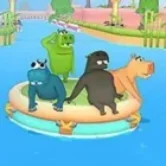
- Shared control: Fart Together asks 2–4 players to steer a single raft by combining their pushes.
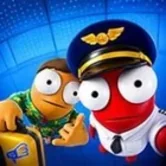
- Role-based co-op: Dear Passengers splits a crew between cockpit and cabin on a failing flight.
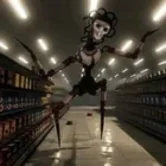
- Co-op horror: Aisles of the Locust sends groups through a dark store to fill a grocery list while avoiding the Locust.
- Competitive duels: Tekken 8 offers ranked matches and side modes like Tekken Ball.
- Strategy matches: War of Dots and Shieldwall let you test your plans against other commanders.
Co-op titles reward communication, while competitive ones reward reading the other side.
Communication Is the Main Skill
In cooperative Multiplayer Games, talking is often more important than individual skill. Teams that agree on roles and call out information progress much faster than groups where everyone acts alone.
- Pick one person to call timing or direction.
- Assign roles before a hard section, not during it.
- Warn others about threats as soon as you see them.
- Keep messages short so they are easy to follow under pressure.
In Fart Together, a single captain counting pushes stops the raft from spinning. In Dear Passengers, a pilot who warns about turbulence saves the cabin crew from dropping trays and tools.
Roles and Splitting Tasks
Many co-op Multiplayer Games give each player something different to do. One flies while others repair, one scouts while others collect, one leads while others follow. Choosing roles that match each person's strengths makes the group stronger. A careful player suits stealth or scouting, an energetic one suits fast tasks and a calm one suits leading.
Rotating roles between sessions also helps. Everyone learns the whole system, and the team becomes more flexible when someone is missing.
Competitive Play and Fairness
Competitive Multiplayer Games bring a different kind of tension. Ranked ladders, team races and duels give clear winners and losers, and improving means studying how opponents play. Human rivals adapt to your habits, so repeating the same tactic rarely works for long.
Good sportsmanship keeps these sessions fun. Short breaks between rounds, friendly rematches and sharing tips after a match make competition something people want to return to.
When Things Go Wrong Together
Chaos is part of the charm of Multiplayer Games. A raft spins into a wall, someone forgets to lock the cargo bay, a teammate knocks a shelf over right next to the Locust. These moments are frustrating for a second and memorable for much longer. Groups that laugh at mistakes instead of blaming each other usually stay together and keep improving.
Physics-based titles lean into this deliberately. Loose controls and unexpected collisions create situations nobody planned, and some of the best stories from a session come from exactly those accidents.
A quick reset and a short chat about what happened is usually all it takes to try again with a better plan.
Group Size and Session Length
Different Multiplayer Games suit different group sizes. Some work best with two players, others with four, and a few support larger lobbies, such as Team Race in Fart Together with up to 8 players or Roblox servers in Aisles of the Locust with up to 30. Check the description on each page before inviting everyone.
Session length varies too. Party titles often run in short rounds, while co-op adventures can fill a whole evening. Choosing something that matches the time your group has keeps the mood positive.
Getting Friends Into the Same Session
Coordinating a group can take longer than the session itself. Sharing a direct link to the title page on Gamezento, agreeing on a time and checking controls beforehand saves a lot of waiting. Voice chat or simply sitting in the same room makes communication much easier than typing.
For mixed groups, pick titles with simple controls so newcomers can join without a long tutorial.
Building Your Group's Favorites
Most groups end up with a few Multiplayer Games they return to again and again. Trying a new one every few sessions keeps things fresh, and the variety in this category makes that easy: horror one night, racing the next, a duel tournament after that.
New Multiplayer Games are added as the catalog grows. Gather your crew, pick a title that fits your group and see whether you work better as teammates or rivals.