Puzzle Games





About Puzzle Games
Puzzle Games ask you to stop, look and think. Whether you are joining falling strands of pasta, spotting a change in a familiar room or figuring out which lock a key opens, the reward is the moment the solution suddenly makes sense. This category collects titles where your head matters more than your reflexes.
What Puzzle Games Are Really About
At their core, Puzzle Games present a problem with clear rules and let you find the answer. The rules may be simple, but combining them creates challenges that take real thought. Good puzzles are fair: everything you need is on the screen or has been shown before, and the difficulty comes from seeing the connection rather than from hidden information.
That fairness is what makes solving one so satisfying. When the answer clicks, it feels earned, and the next challenge suddenly looks less intimidating.
Puzzle Styles You Can Try
The genre includes more variety than many people expect.
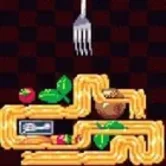
- Falling-block puzzles: Spaghetti Celesti: Devour the Heavens replaces line clearing with building one long strand of pasta.
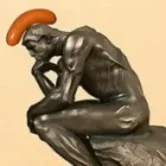
- Physics puzzles: A Weird Game About Sausage turns a single mouse click into a test of angle and landing.
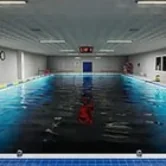
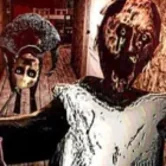
- Observation puzzles: POOL LOOP and That's Not My Mom! ask you to notice what changed.
- Escape puzzles: Granny Remake hides keys and tools around a house and asks you to use them in the right order.
- Word puzzles: ERROR143 presents its hacking as hangman-style challenges inside a story.
- Typing practice: Mario Teaches Typing 2 turns accuracy and speed into a set of drills and tests.
Trying one of each is a good way to find out which kind of thinking you enjoy most.
How to Approach a Tough Puzzle
Getting stuck is part of the experience. A few habits help you get unstuck in Puzzle Games without reaching for a walkthrough.
- Restate the goal in your own words before trying anything.
- List what you can interact with and what you have not tried yet.
- Change one thing per attempt so you can see its effect.
- Take a short break; solutions often appear once you stop staring.
The third point is especially useful in physics puzzles, where changing several things at once makes it impossible to know what helped.
Memory and Attention
Some Puzzle Games rely less on logic and more on memory. Observation titles show you a space repeatedly and expect you to remember how it looked. The first passes feel easy, and that is exactly when you should be studying details: where objects sit, how lights look, which sounds play. Later loops change those details in small ways, and only players who built a clear mental picture will spot them.
Escape puzzles mix memory with planning. Remembering where you saw a locked door saves a lot of searching once you find the right key.
Difficulty Curves Done Right
Well-designed Puzzle Games introduce one idea at a time. Early levels teach a rule in isolation, middle levels combine it with others, and late levels expect you to use everything together. If a level suddenly feels impossible, it usually means a combination of rules you have not considered yet, not a new rule you have never seen.
Short sessions help here. Many puzzles in the catalog take only a few minutes, so a failed attempt costs little and restarting with a new idea is quick.
Puzzles Hidden Inside Stories
Not all Puzzle Games present challenges as separate levels. Some weave them into a story, so solving a puzzle also moves the plot forward. In visual novels, a word puzzle might stand in for breaking into a computer. In horror titles, finding the right sequence of items opens the way out. In mystery stories, a detail you noticed early becomes the answer to a question asked much later.
These story puzzles tend to be gentler on their own, but they reward attention across the whole experience rather than inside a single screen. Keeping a mental note of odd details pays off more than in any other style.
If you enjoy both reading and solving, story-driven puzzles are a good middle ground: the narrative keeps you motivated, and the challenges keep you actively involved instead of just watching events unfold.
Relaxing or Challenging
Puzzle Games can be calm or tense depending on the design. Untimed puzzles let you think at your own pace and are perfect for winding down. Timed or pressure-based puzzles, such as falling pieces or anomalies in a horror setting, add urgency that changes how you think. Neither is better; they simply suit different moods.
If you want to relax, choose a title without a clock. If you want a challenge, pick one where hesitation has a cost.
Building a Puzzle Habit
Many players enjoy solving a puzzle or two every day, the same way others do crosswords. The catalog on Gamezento makes this easy, because each title opens in seconds and most levels are short. Over time you will notice that patterns repeat across different titles, and skills from one help with another.
New Puzzle Games are added as the catalog grows, bringing fresh rules to learn and new tricks to discover. Pick a style that looks interesting, read the first challenge carefully and enjoy the moment it finally clicks.