Idle Games

About Idle Games
Idle Games keep making progress even when you are not pressing anything. You set up a small system, collect what it produces, spend the result on upgrades and watch the numbers grow faster with every round. This category gathers titles where patience and smart spending matter more than quick reflexes.
The Basic Loop Behind Idle Games
Almost every title in Idle Games follows the same cycle. First you perform a simple action by hand: open a pack, throw a stone, pour a cup of tea. That action earns a resource. The resource buys an upgrade that makes the action faster, bigger or automatic. Then the cycle repeats on a larger scale, and after a while the system runs on its own while you decide where the next investment should go.
The pleasure comes from that growth curve. Early upgrades feel small, but they stack, and within a short session you can go from clicking once per second to watching hundreds of actions happen without your input.
Examples From Our Catalog
The current selection shows how different themes can sit on top of the same loop.
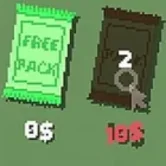
- Crack The Pack starts with opening card boosters by hand and grows into an automated line that opens, sorts and sells them.
- RippleLoop turns skipping stones across a lake into a chase for distance, with upgrades that add bounces and new powers.
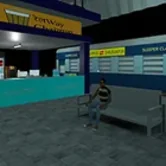
- Railway Chai Wala puts you behind a tea stall on a station platform, where bigger kettles and faster pouring help you keep up with arriving trains.
Each one uses a theme that is easy to understand in seconds, which is typical for Idle Games: the setting explains the rules before any tutorial does.
Active Play Versus Letting It Run
Some players open Idle Games, set everything up and leave the tab running in the background. Others stay engaged, timing purchases and squeezing extra speed out of every upgrade. Both styles are valid, and most titles support both. Active play usually gives faster early progress, while passive play shines later, once automation does the heavy lifting.
A practical approach is to stay active for the first ten or fifteen minutes, when every decision has a big effect, then switch to checking in every so often once production is stable.
Spending Resources Wisely
The most common mistake in Idle Games is spending everything the moment it arrives. A few habits lead to much faster growth:
- Buy upgrades that increase income before buying cosmetic or one-time bonuses.
- Sell or convert duplicates instead of hoarding them.
- Compare the cost of an upgrade with how long it takes to pay itself back.
- Save up for the next big unlock when smaller purchases stop making a difference.
Risky options, such as packs with a 50/50 outcome in Crack The Pack, are better saved for later, when your income can absorb a bad result.
Milestones and Prestige Systems
Many Idle Games add milestones that change how the loop works: a new booster type, a new power for your stone or an extra helper at the stall. These moments break up the steady climb and give you a short-term goal. In larger titles, a prestige system lets you reset progress in exchange for a permanent bonus, so the next run moves faster than the last.
Deciding when to reset is a skill of its own. Resetting too early wastes potential, while waiting too long means grinding through a slow stretch that a fresh start would skip.
Themes That Keep the Loop Fresh
The mechanics behind Idle Games are similar from one title to the next, so the theme does a lot of work. A tea stall makes you think about train timetables and queues, a card shop makes you think about rarity and collections, and a quiet lake makes the whole session feel calm. Choosing a theme you actually like is the easiest way to stay interested once the early rush of upgrades slows down.
Visual feedback matters too. Watching a stone bounce further or a pile of packs open by itself gives a sense of progress that a plain counter cannot match, and good titles in this genre make every upgrade visible on screen.
Sound plays a similar role. Small chimes when a purchase completes or a satisfying click when a pack opens turn routine actions into small rewards, which is a big part of why one more upgrade so often turns into twenty.
Who Enjoys This Genre Most
Idle Games suit people who like planning and watching systems grow. They work well during breaks, while listening to music or as a calm counterpart to more demanding titles. Collectors enjoy them for the completion goals, such as filling a full card set with every variant, while optimizers enjoy calculating which purchase gives the best return.
They are less suited to players who want constant action. The loop can feel repetitive once the main upgrades are bought, and that slow late stage is the most common criticism of the genre.
Keeping Progress Safe
Browser-based Idle Games usually store progress in your browser, so long sessions are tied to the device and the browser you started on. Avoid private windows for titles you plan to continue, and do not clear site data for the catalog if you have a long save. Some titles count time while the tab is closed, others only while it is open, and each description on Gamezento notes how a specific title behaves.
Idle Games reward the player who checks in regularly and spends thoughtfully. Pick a theme that appeals to you, make the first few purchases by hand and let the system take it from there; the numbers will be much bigger the next time you open the tab.